
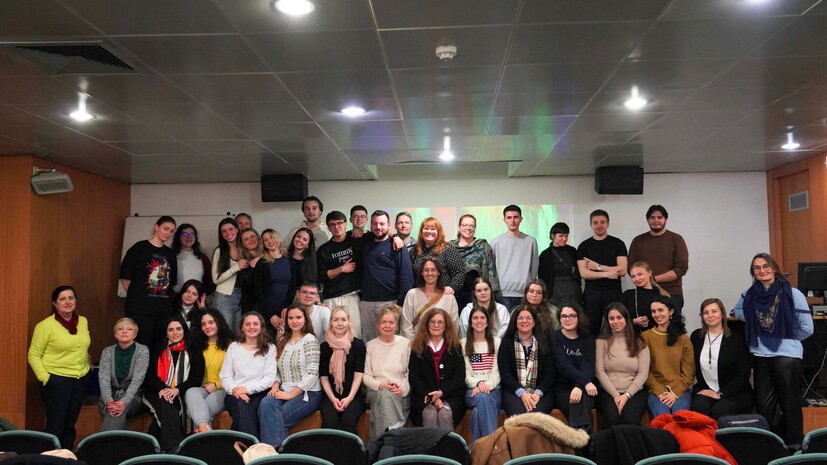
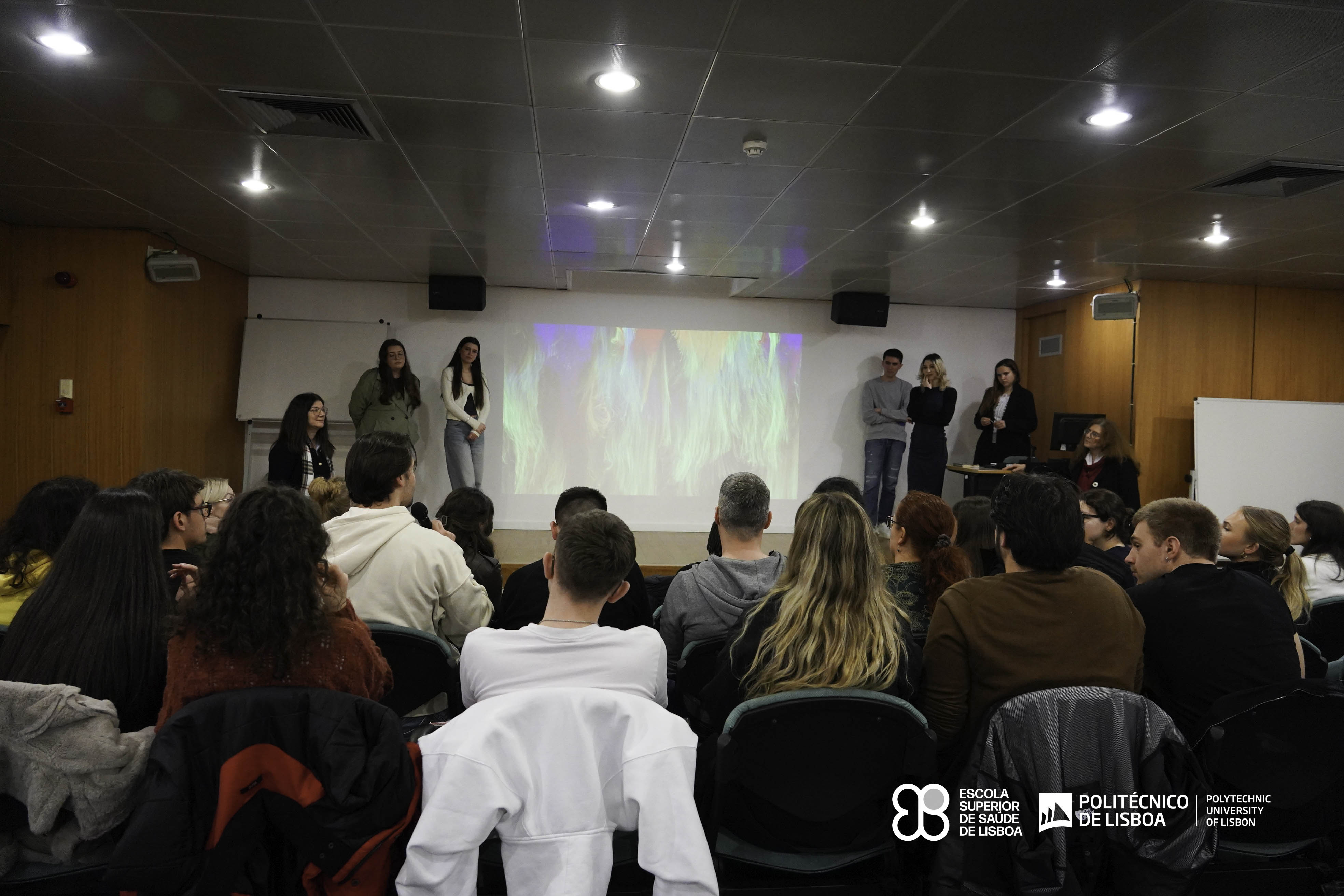
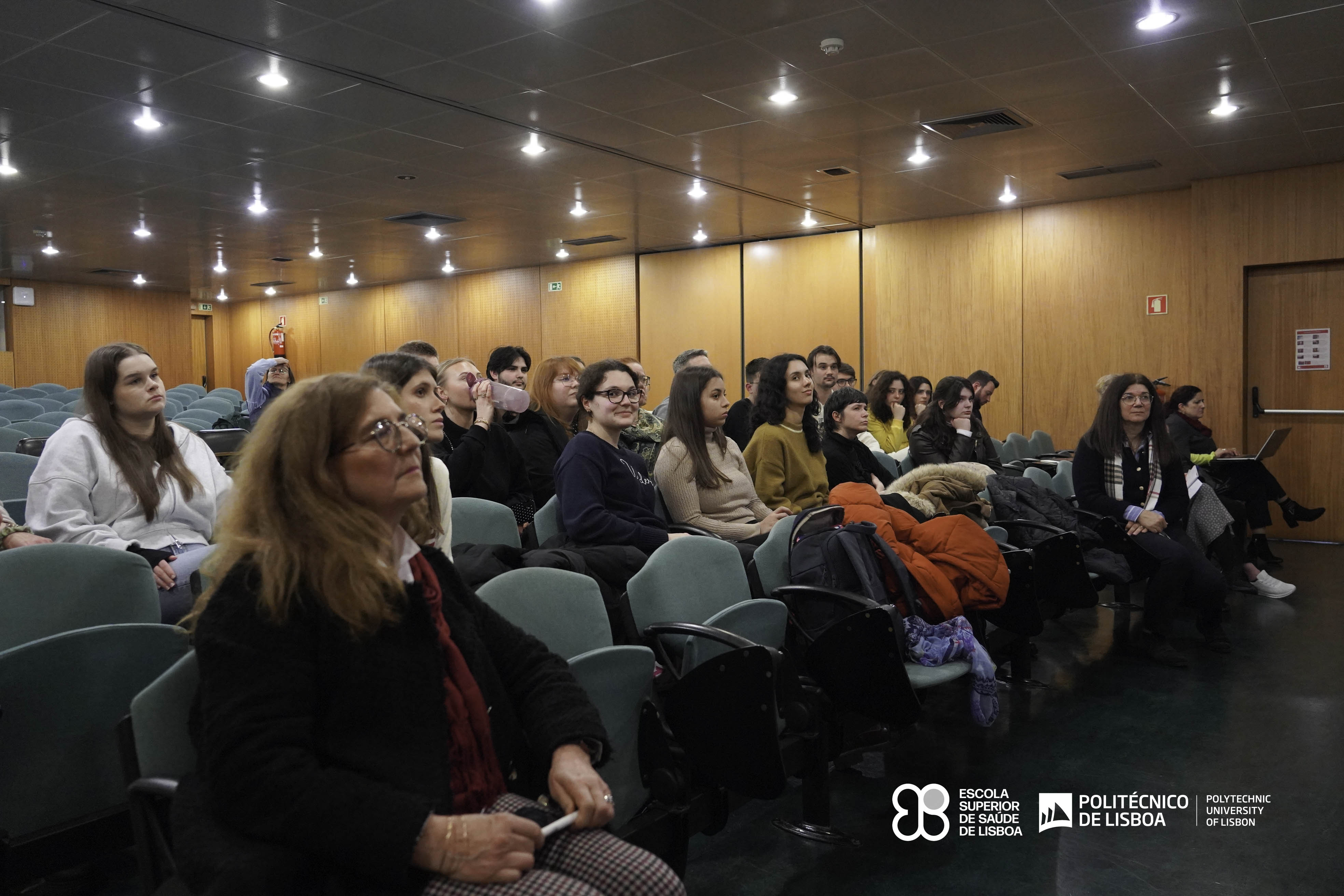
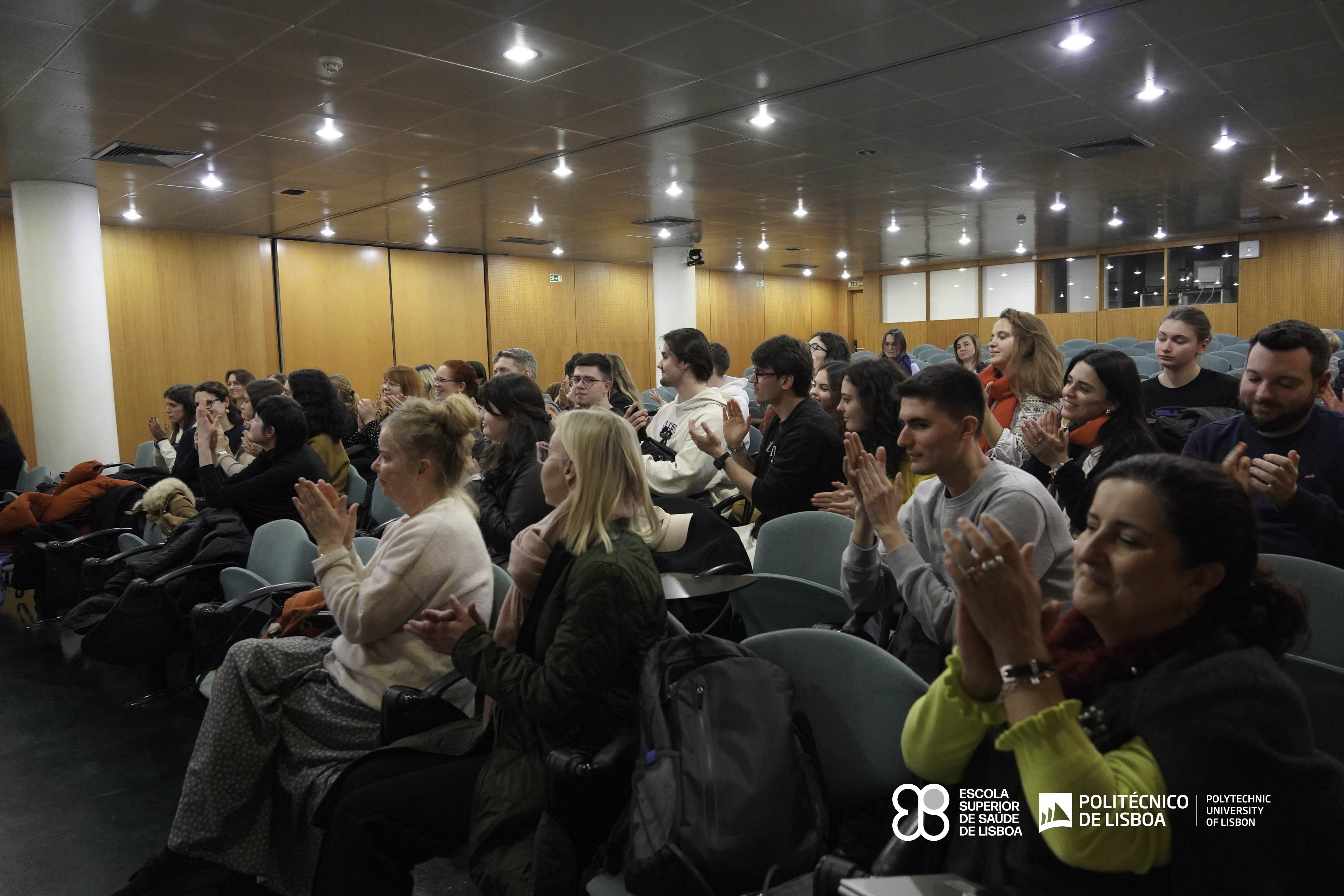
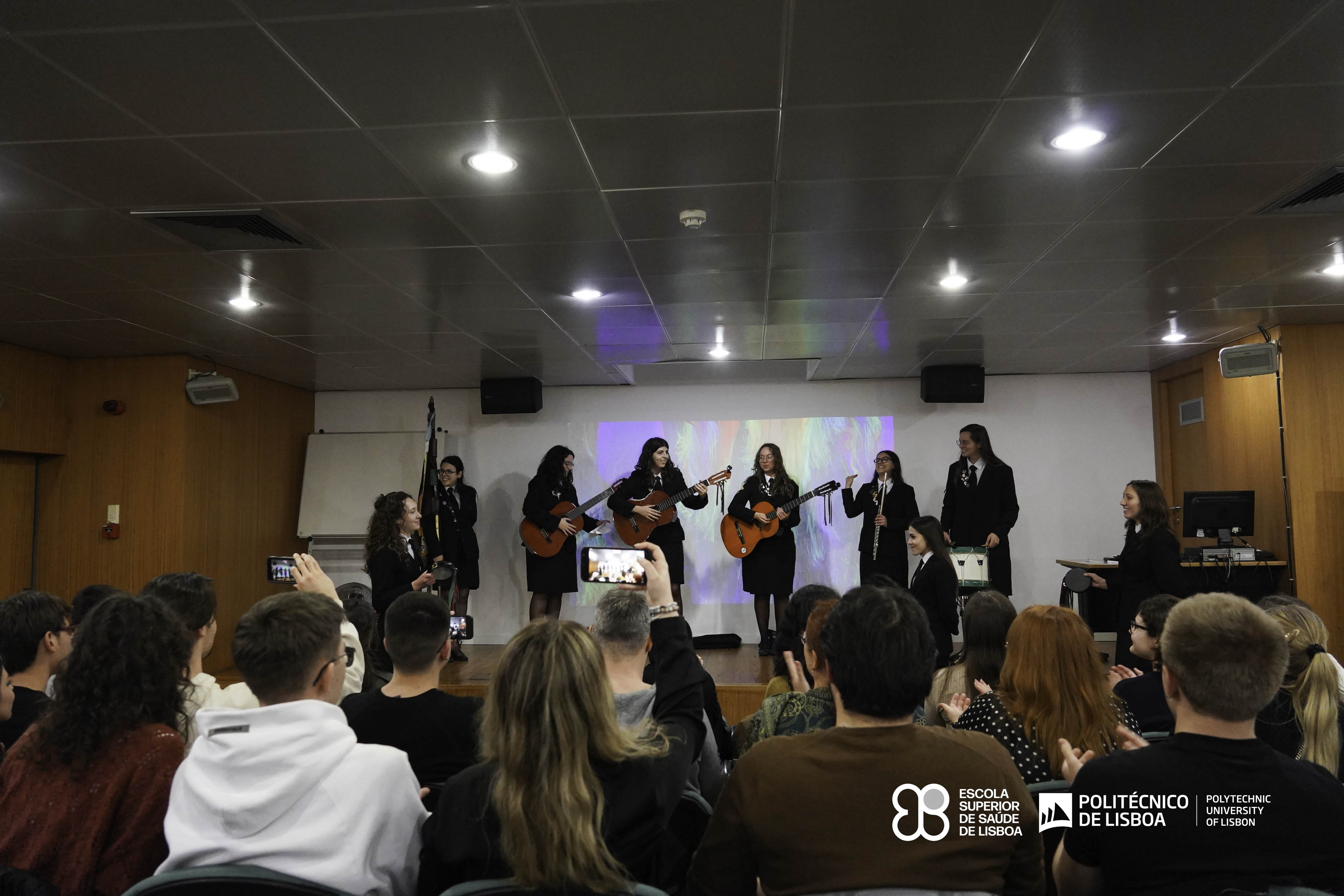
A Escola Superior de Saúde de Lisboa (ESSL) acolheu, entre os dias 5 e 14 de fevereiro, o Blended Intensive Programme (BIP) CALM. O curso integrado na rede Europeia de Universidades !UREKA, foi organizado pelo Conselho de Curso da Licenciatura em Imagem Médica e Radioterapia e focou-se numa temática crucial para a prática clínica: a gestão da ansiedade e da claustrofobia em ambiente clínico.
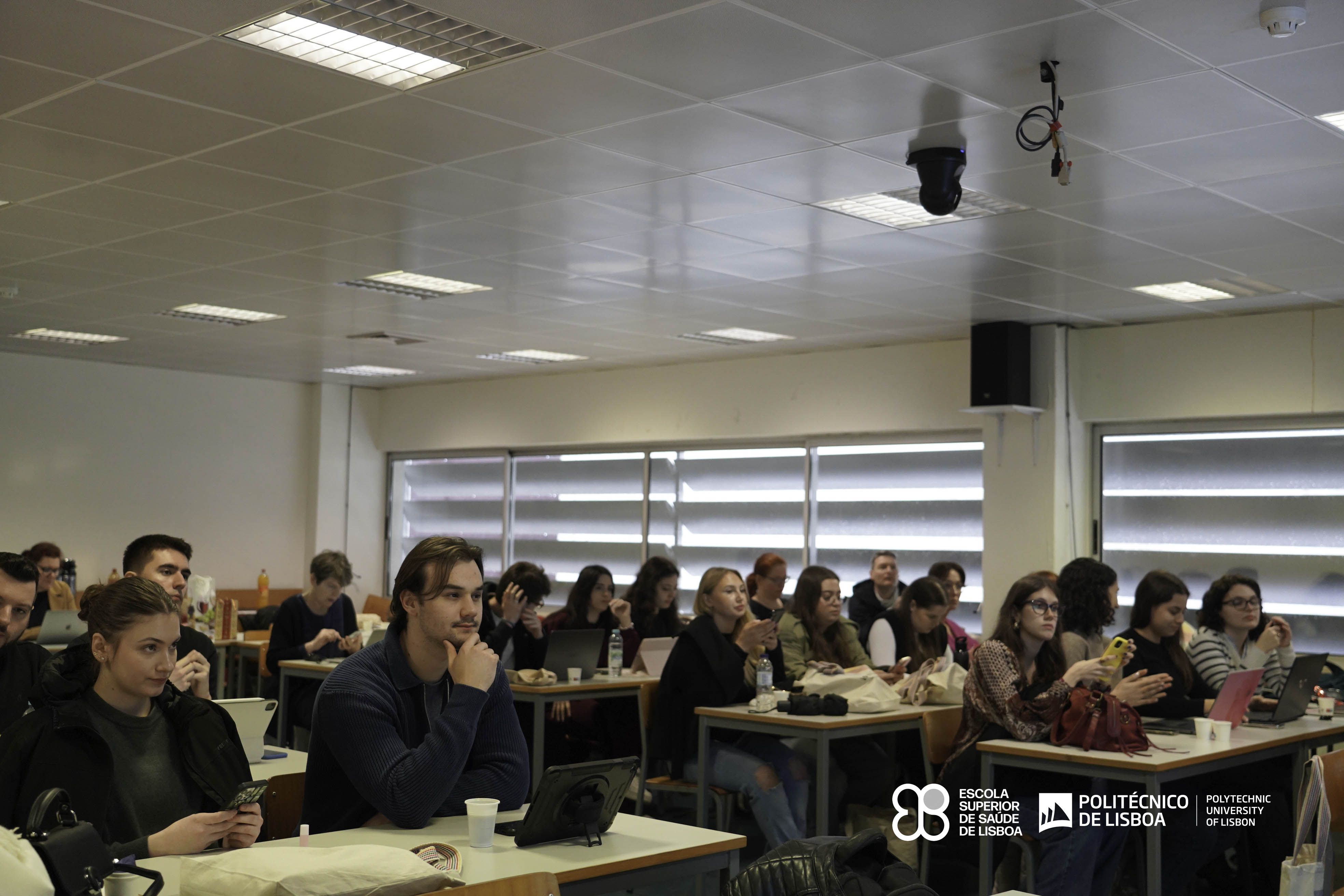
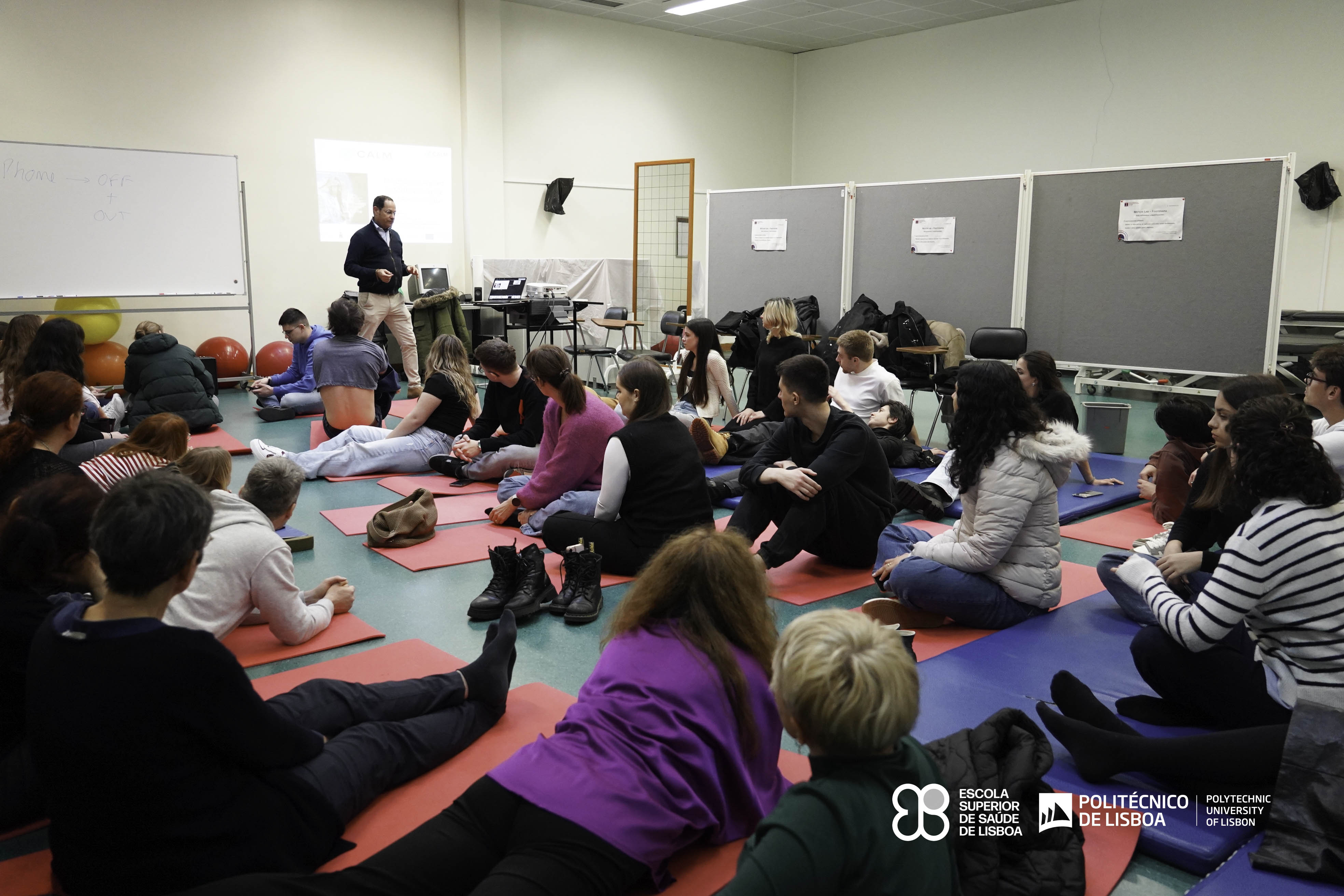
Estruturado num formato híbrido, o curso acolheu 4 estudantes da ESSL e 28 estudantes e 7 docentes internacionais, vindos das instituições europeias:
• Roménia: Iuliu Hațieganu University of Medicine and Pharmacy (Cluj-Napoca);
• Itália: Università di Firenze (Florença);
• Finlândia: Metropolia University of Applied Sciences (Helsínquia);
• Moldova: State University of Medicine and Pharmacy Nicolae Testemițanu (Quixinau).
Teve a coordenação da Prof.ª Maria Margarida Ribeiro e a colaboração dos docentes da ESSL: Ana Grilo, Lina Vieira, Maria João Carapinha, Marco Caetano e Nuno Teixeira, tendo beneficiado de diversas parcerias, apoios e patrocínios.
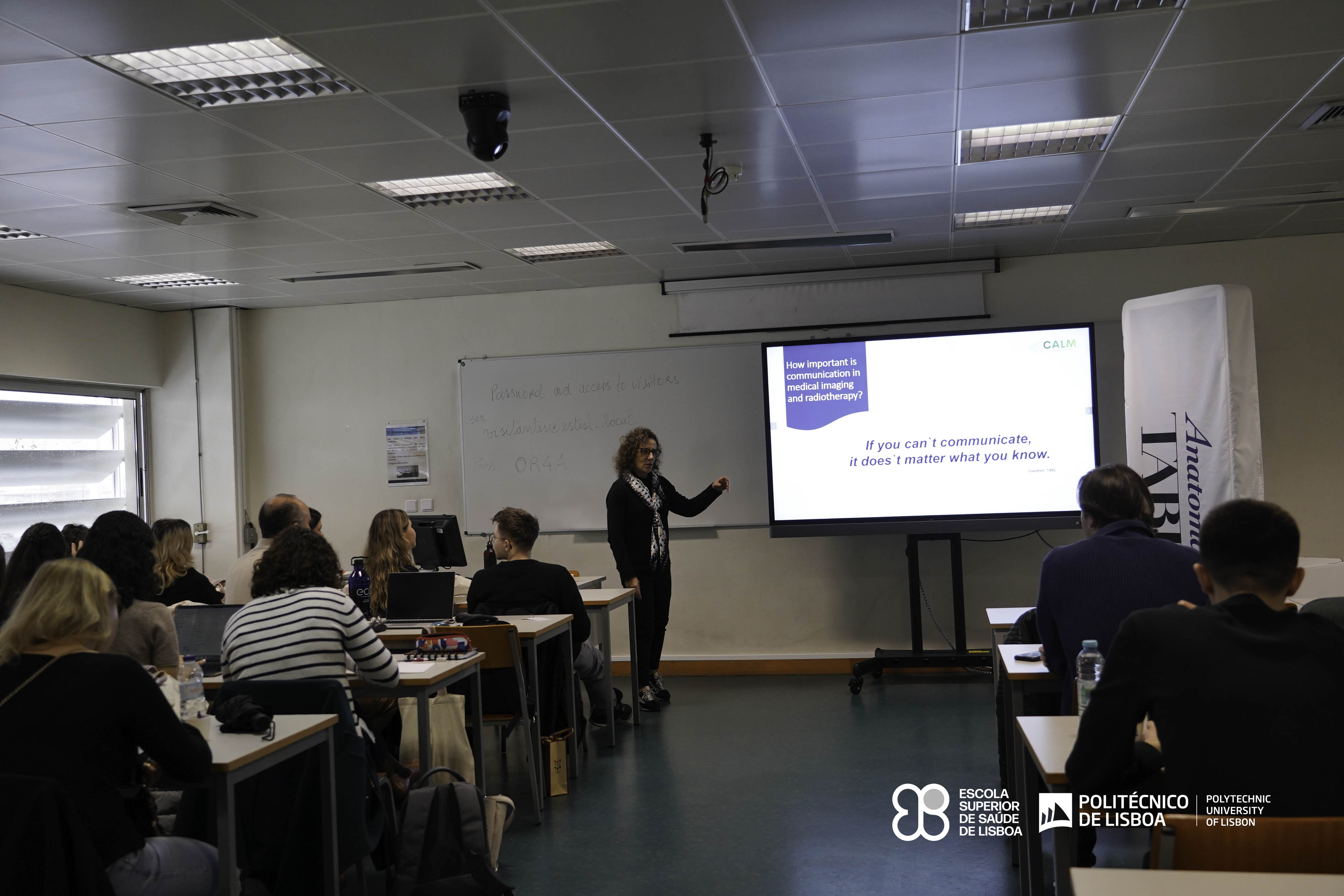
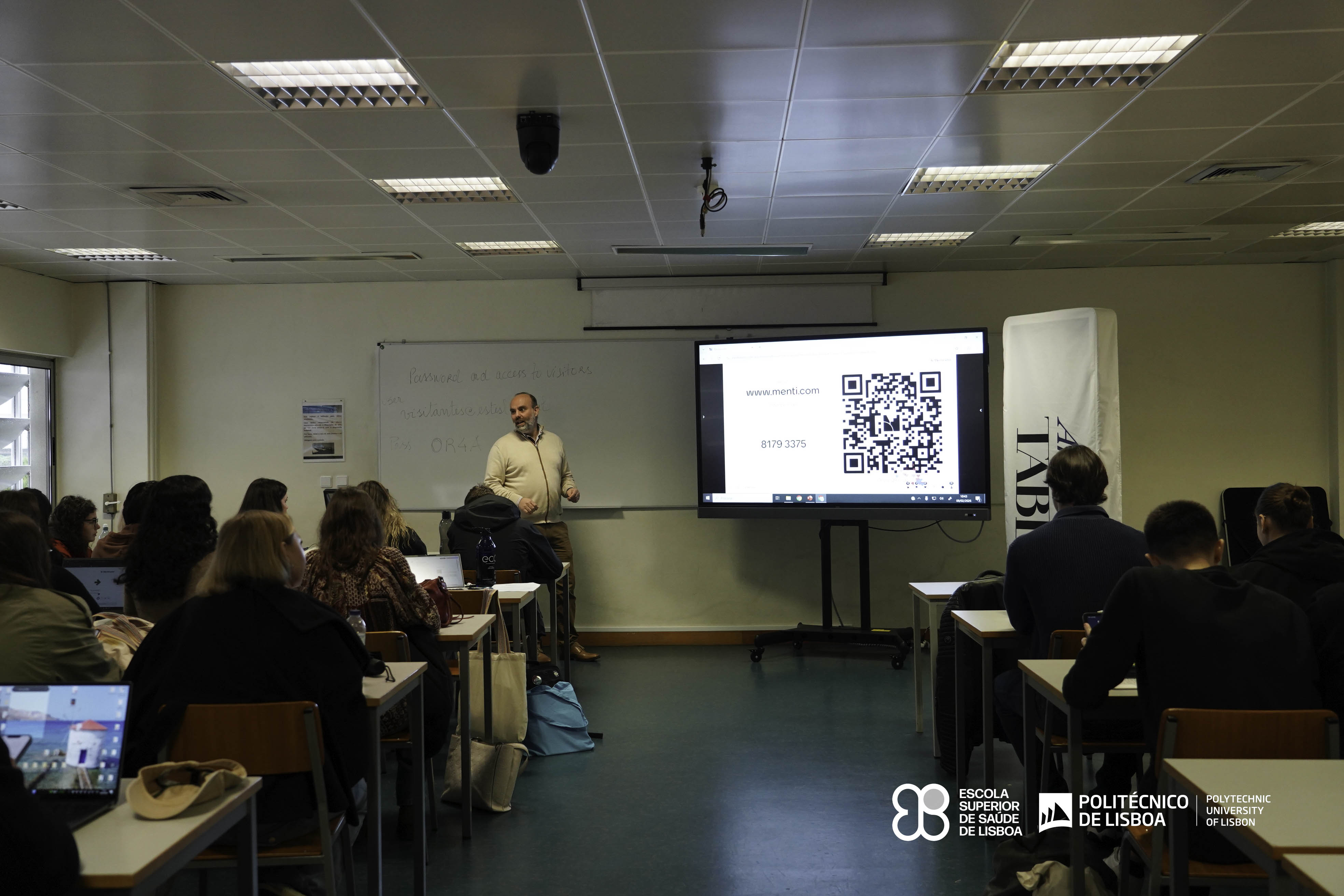
O programa aplicou desde estratégias comuns e acessíveis até às mais tecnologicamente complexas, sublinhando o papel fundamental das competências relacionais e técnicas do Técnico de Radiologia, de Medicina Nuclear ou de Radioterapia na humanização dos cuidados e na mitigação da ansiedade e claustrofobia.
Com esta iniciativa, a ESSL reforçou o seu papel na vanguarda do ensino da saúde ao promover o intercâmbio de conhecimentos e a melhoria contínua dos cuidados prestados aos doentes, reafirmando a sua vertente internacional.
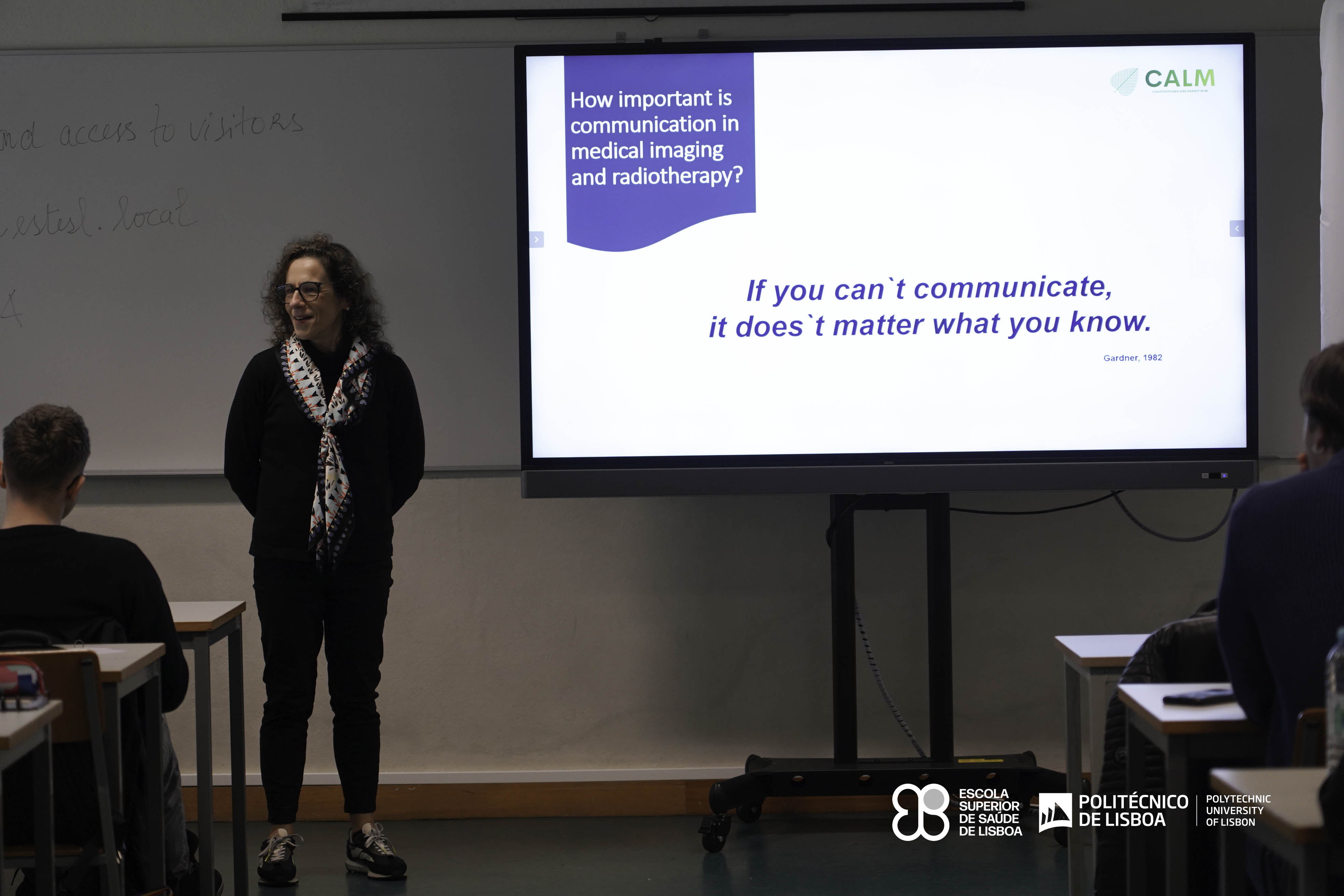
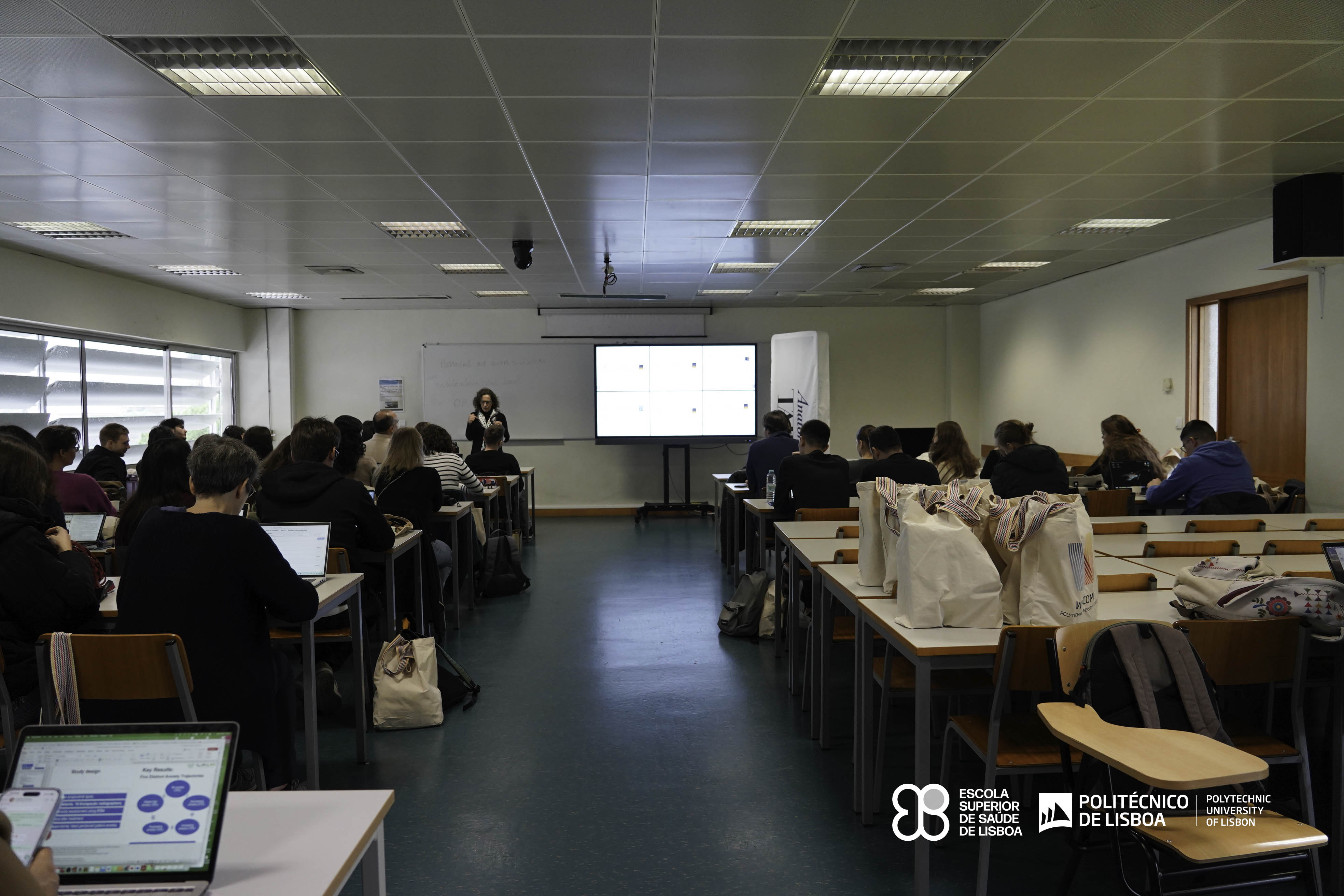
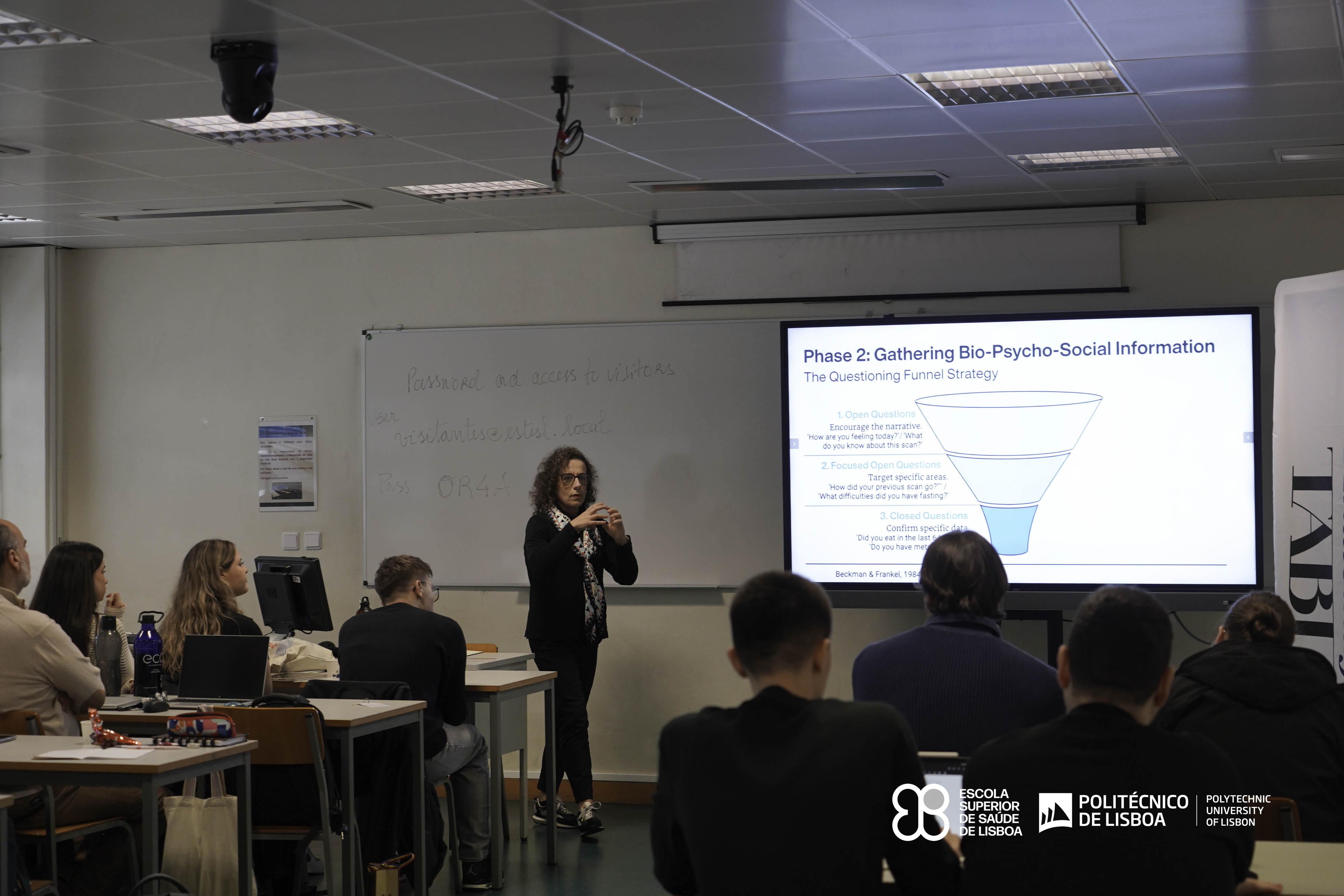
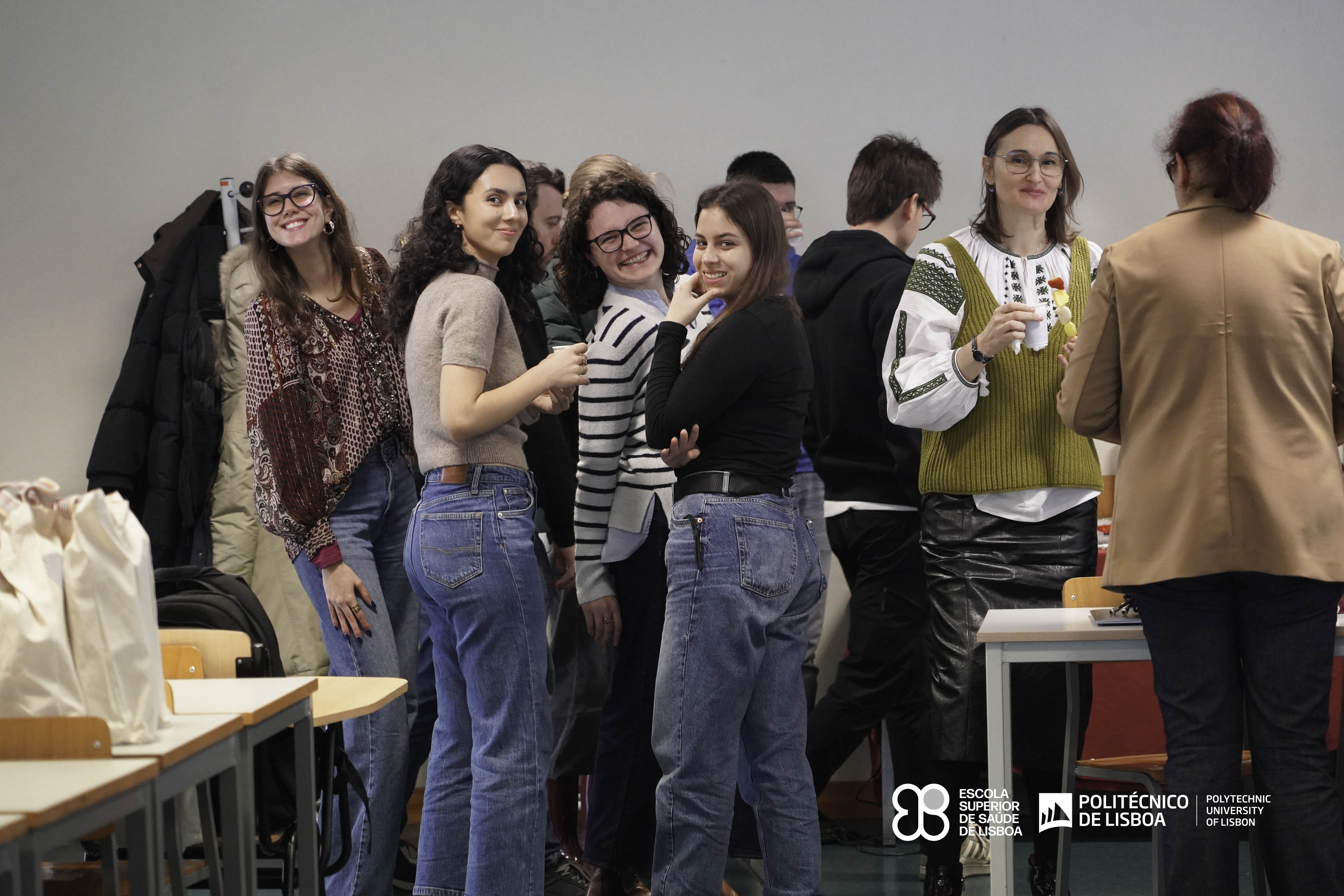
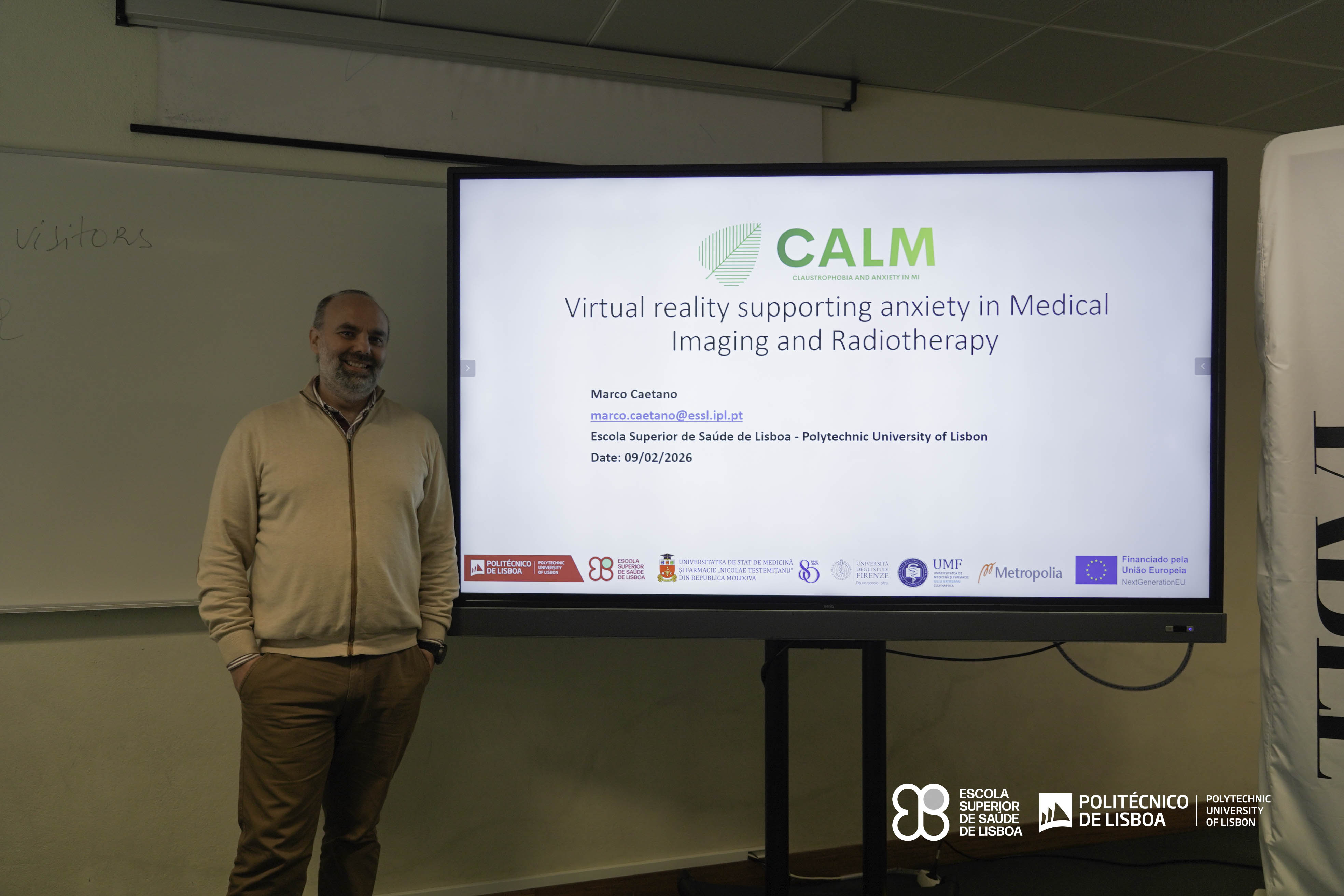
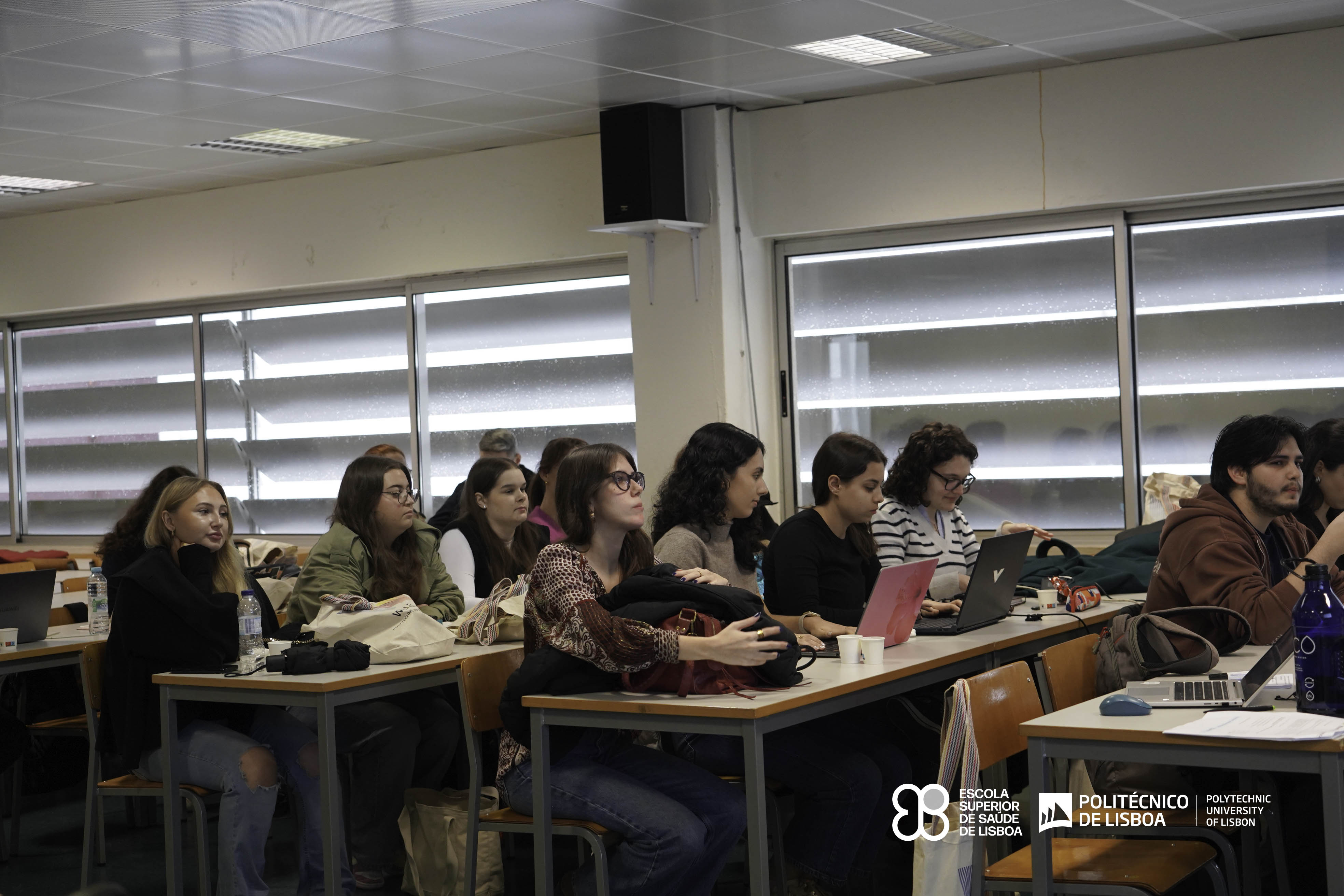
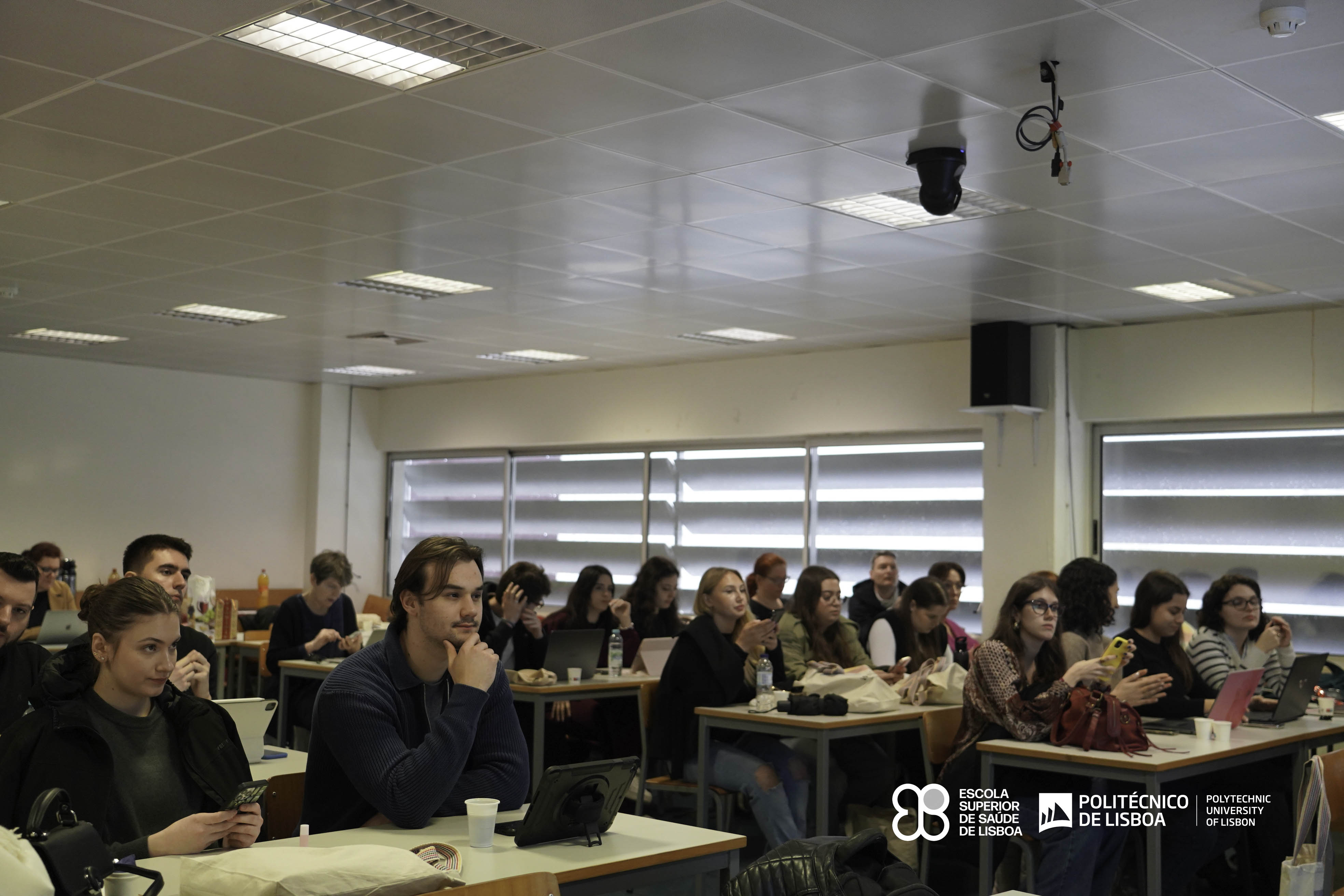
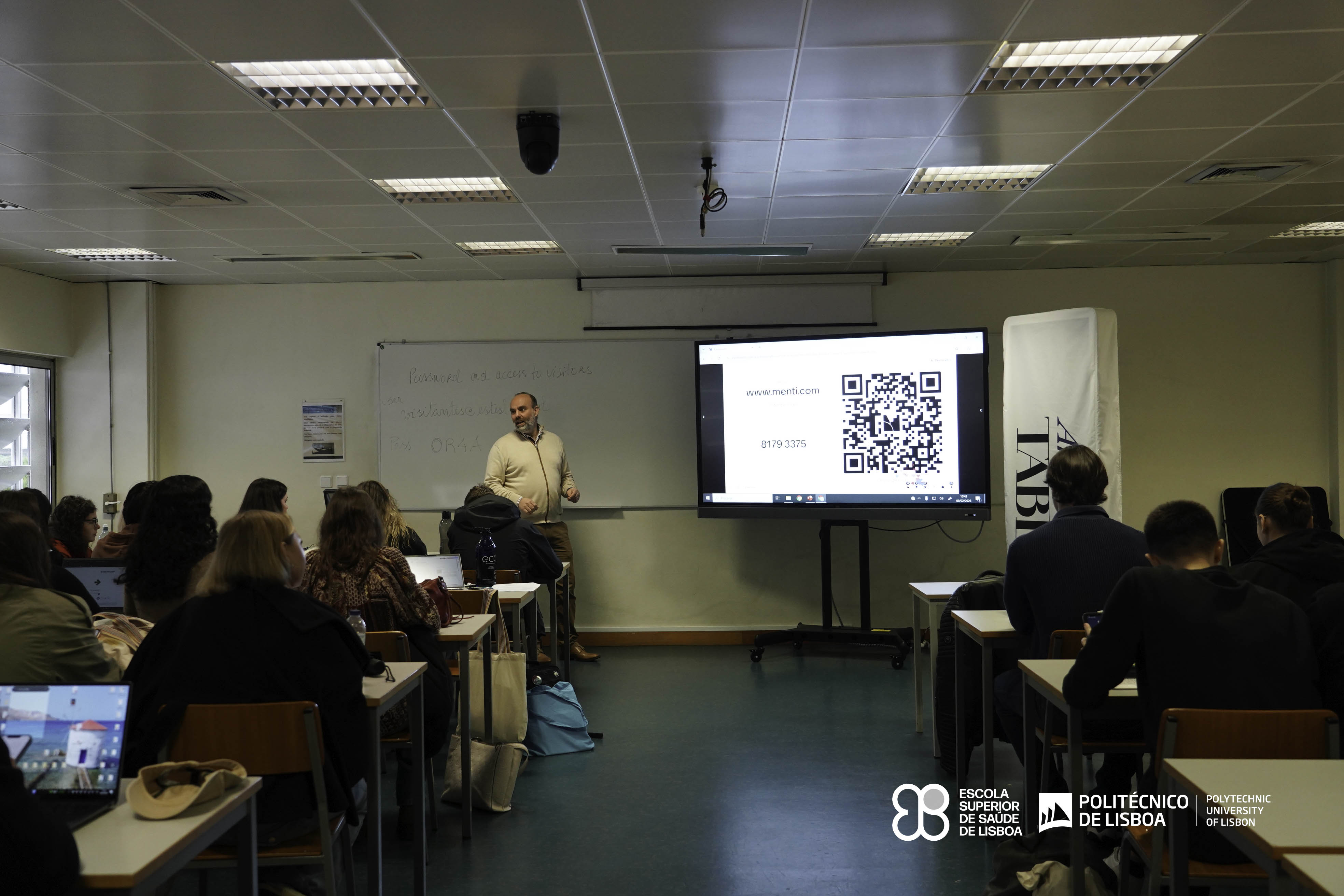
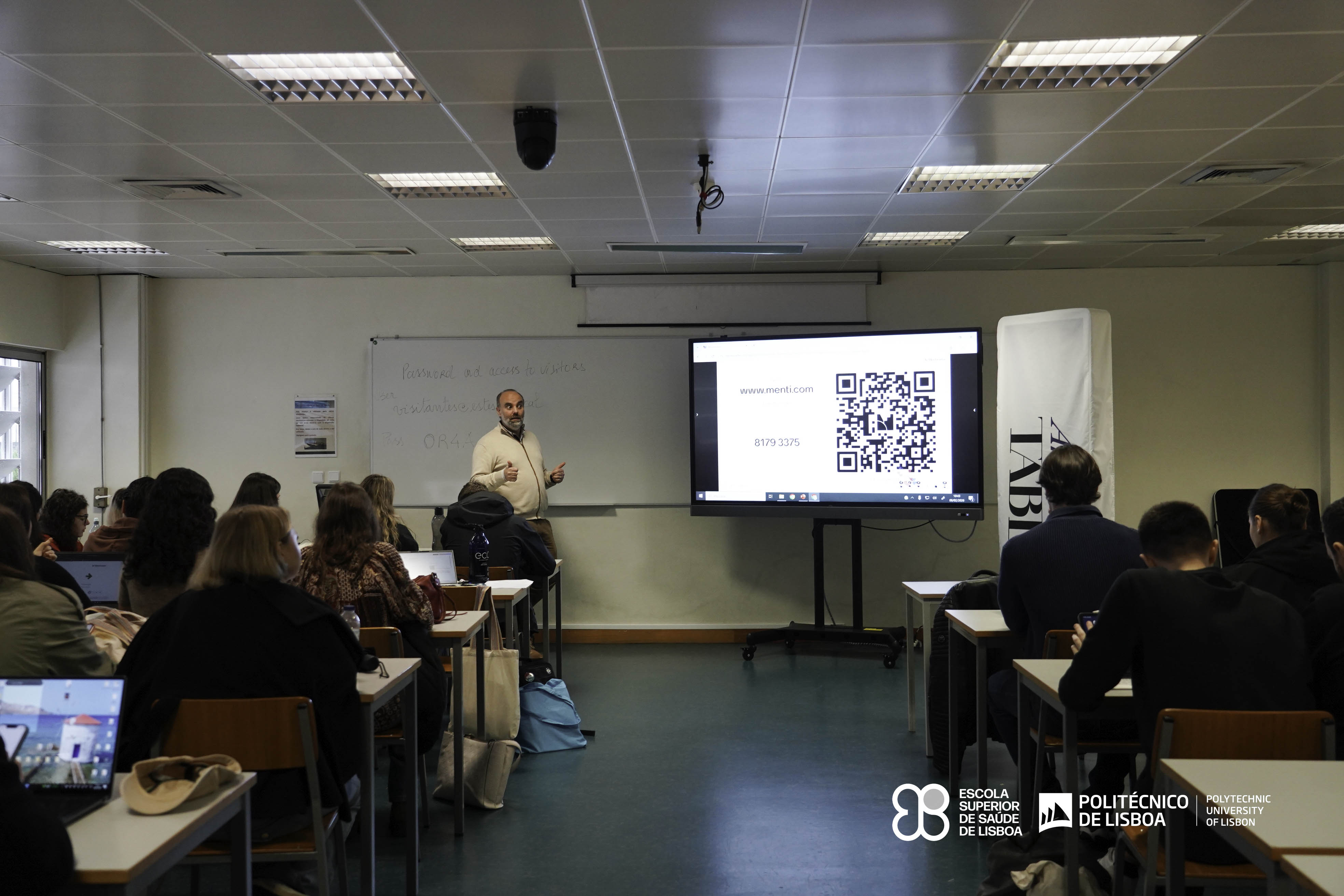
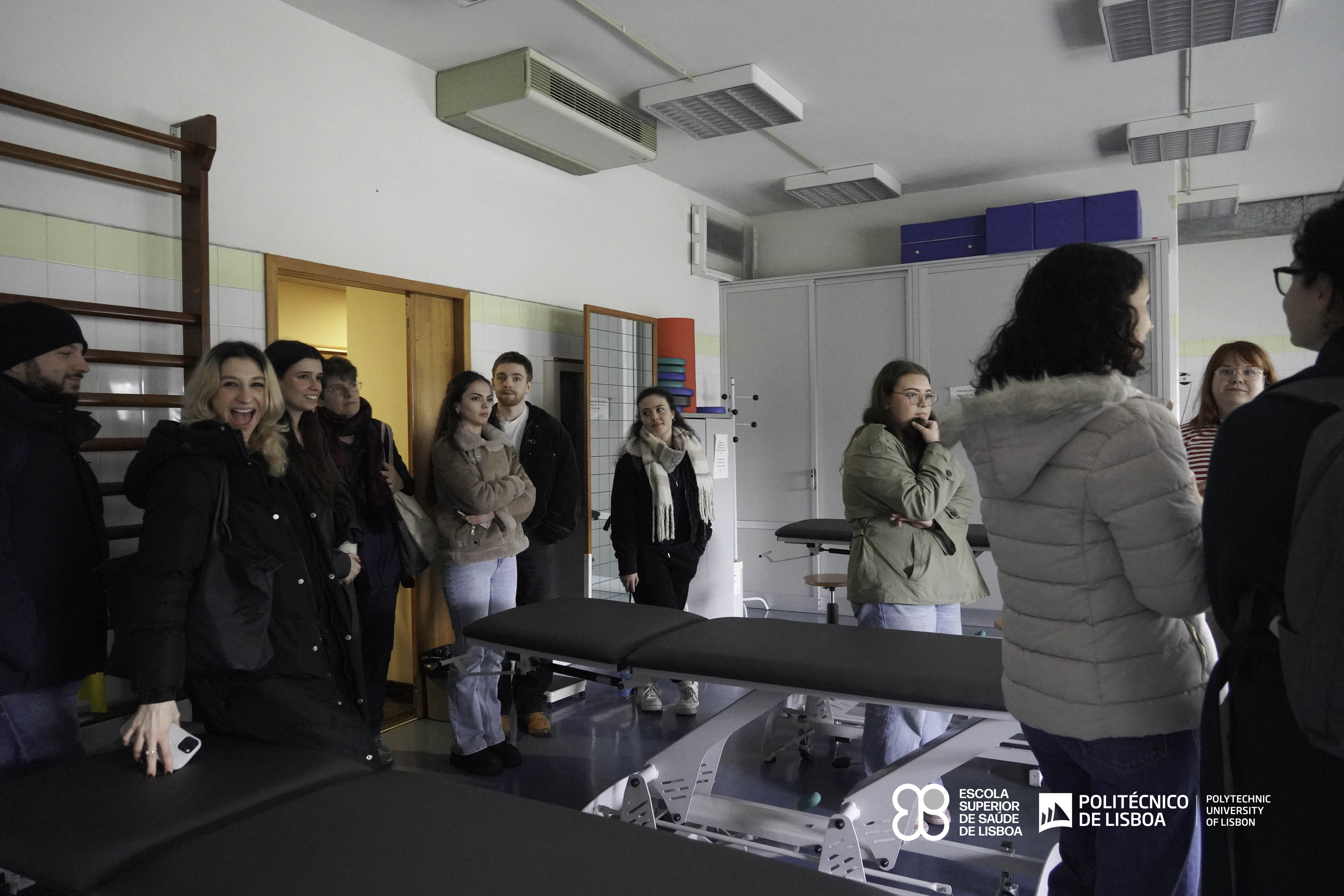
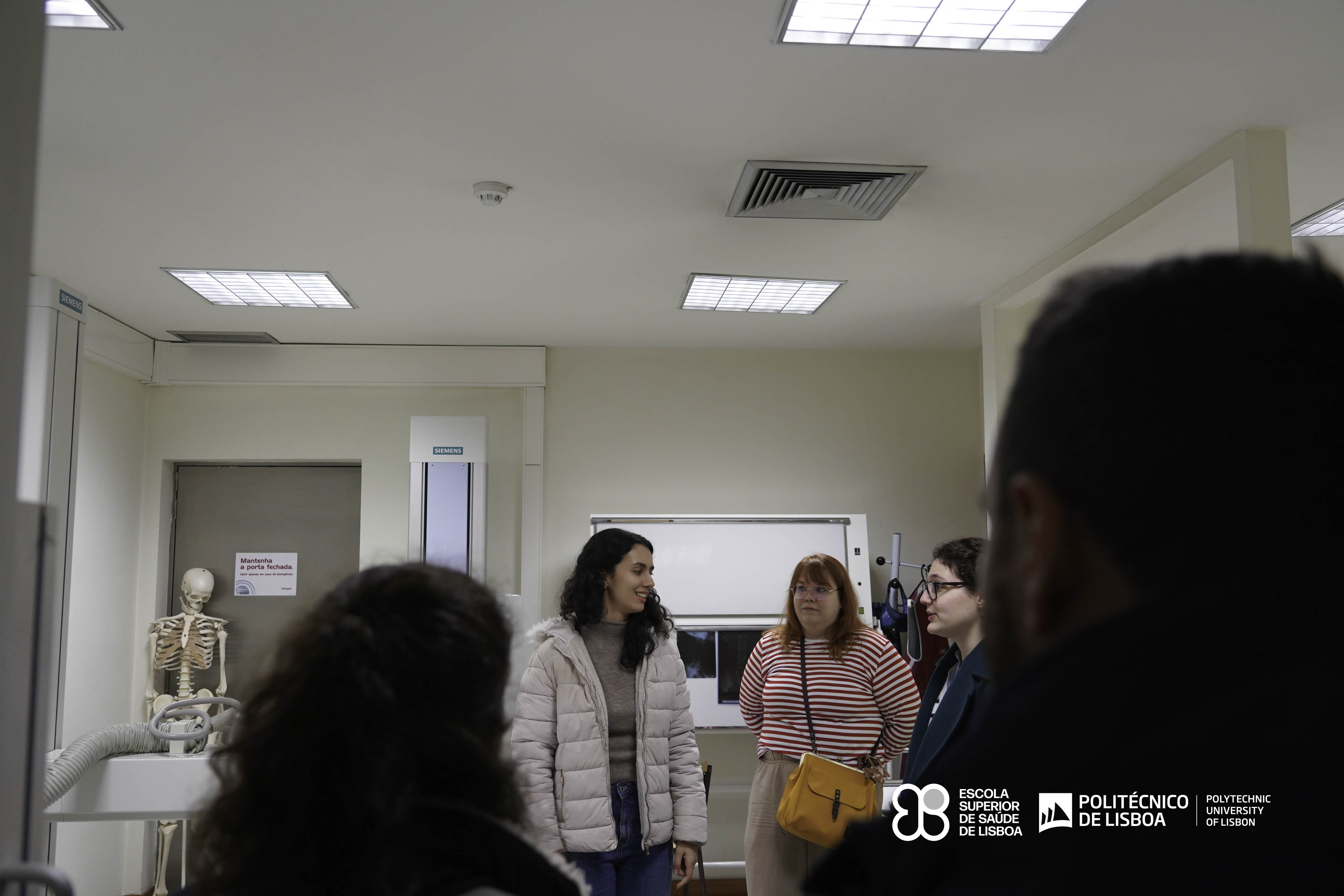
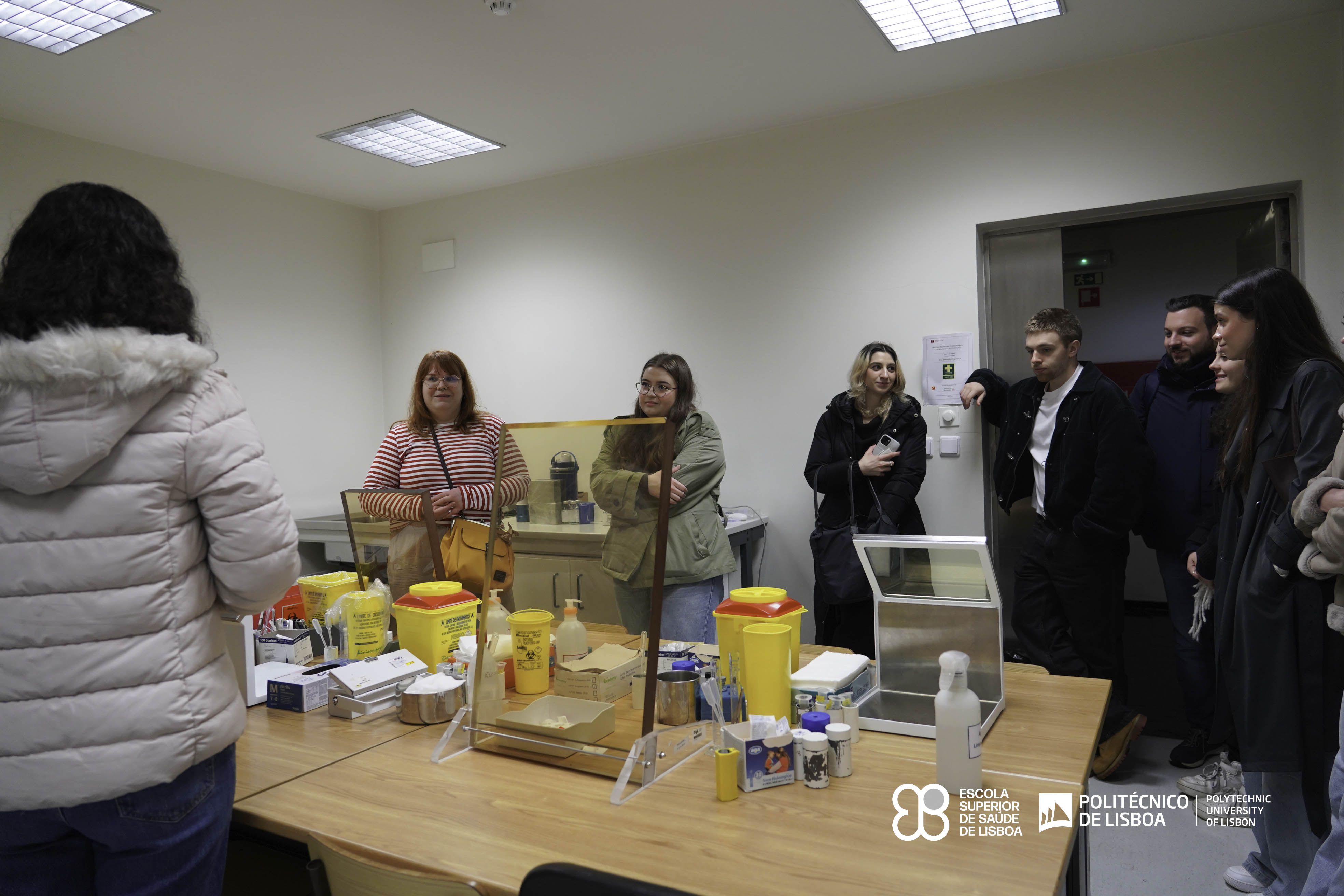
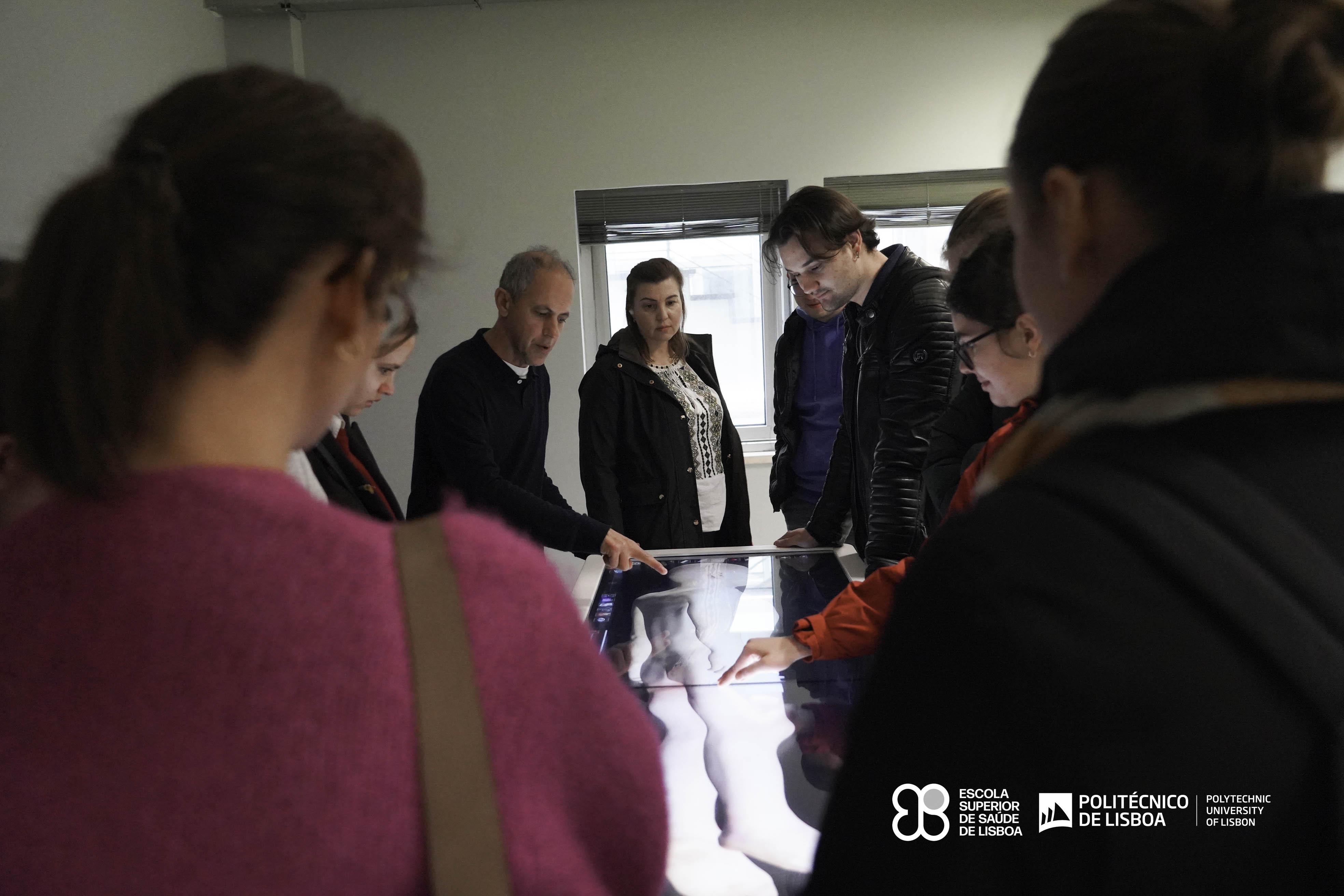
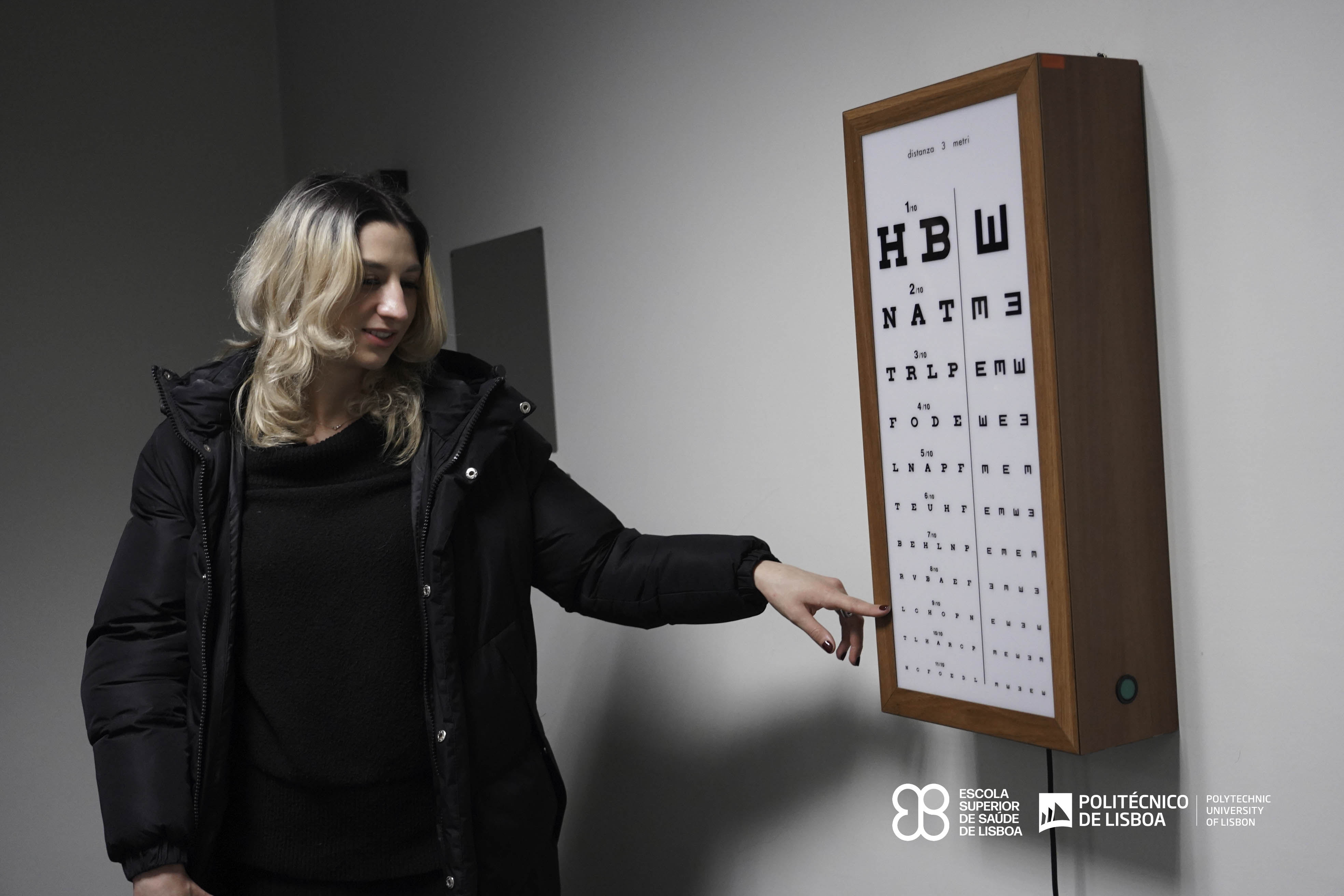
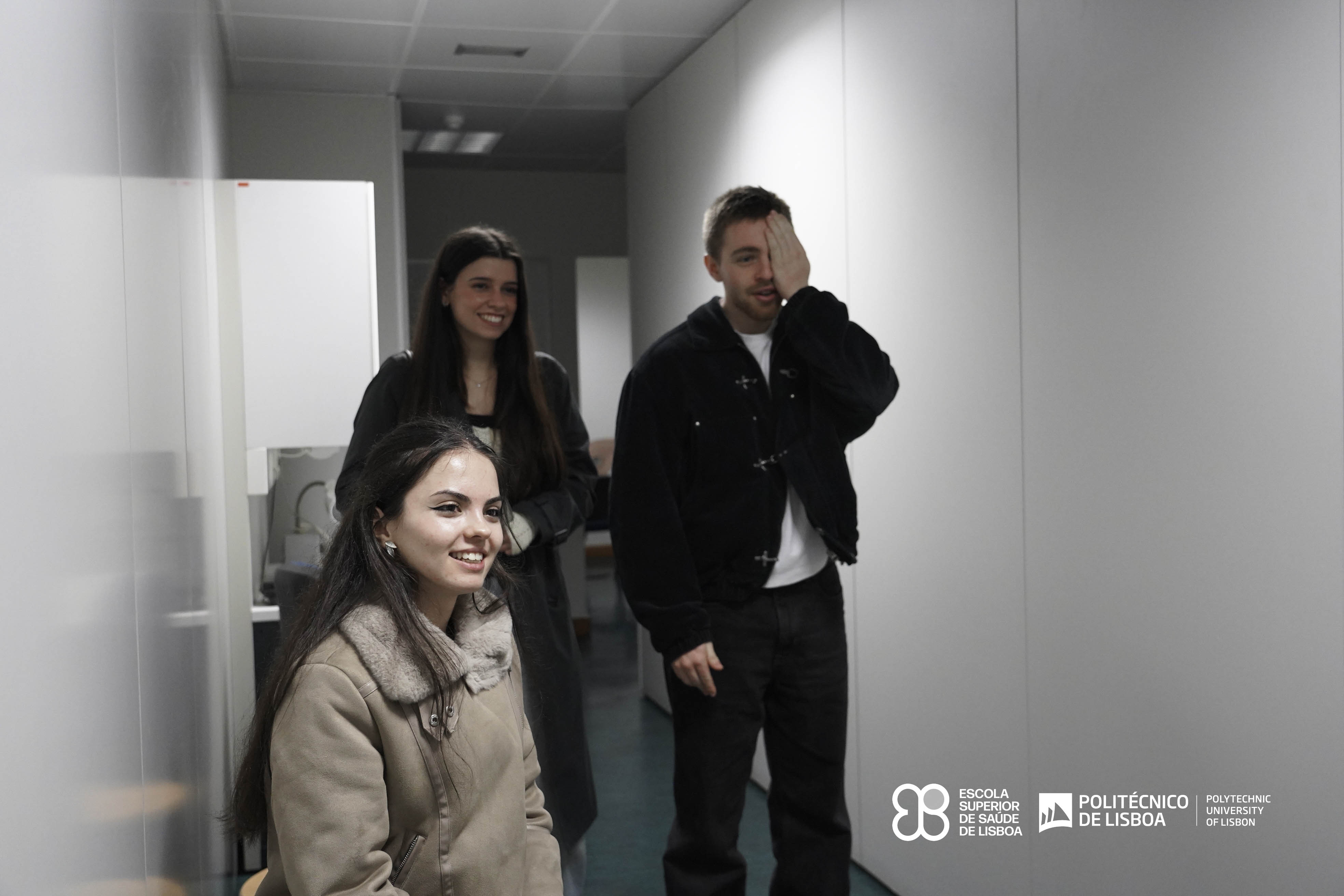
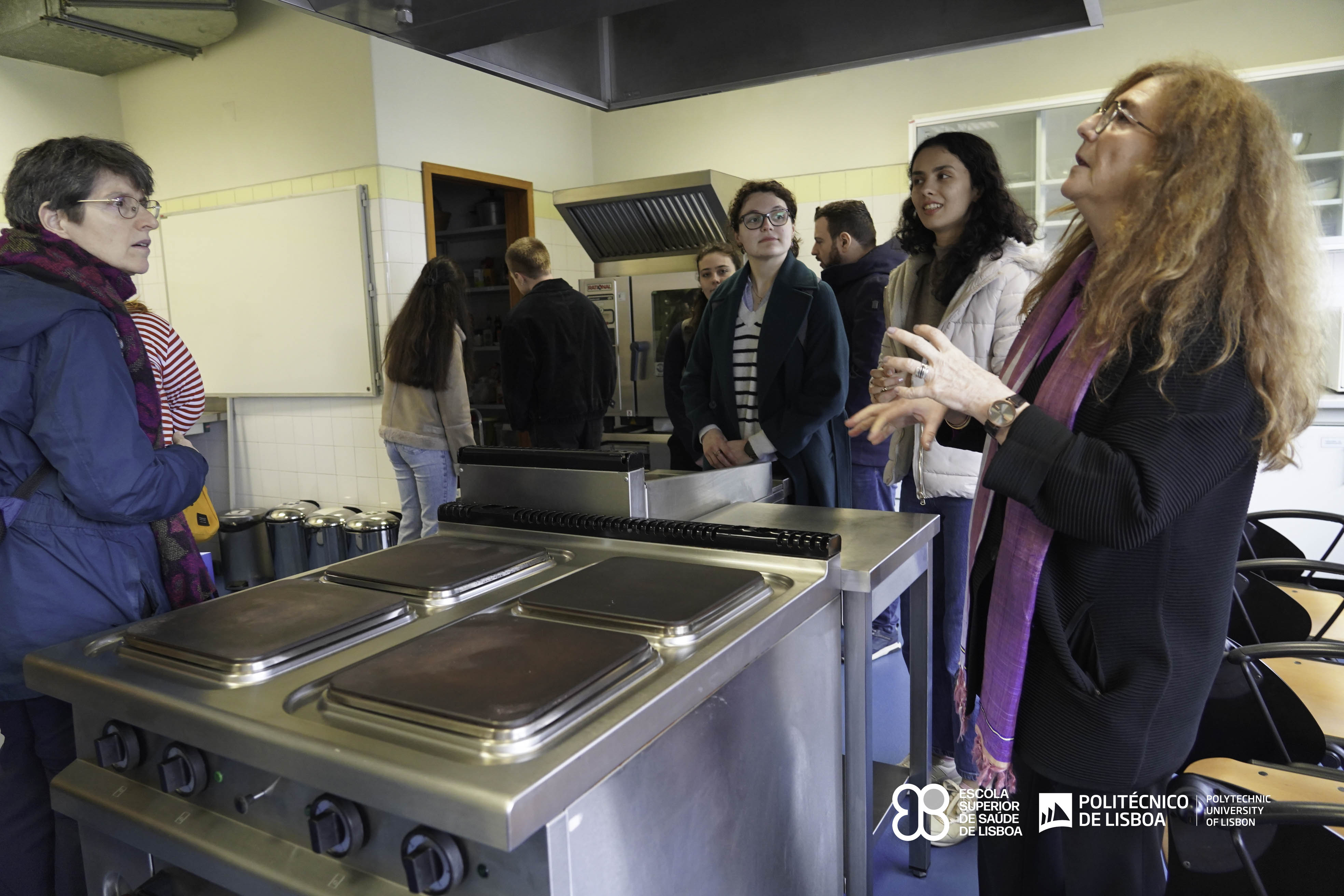
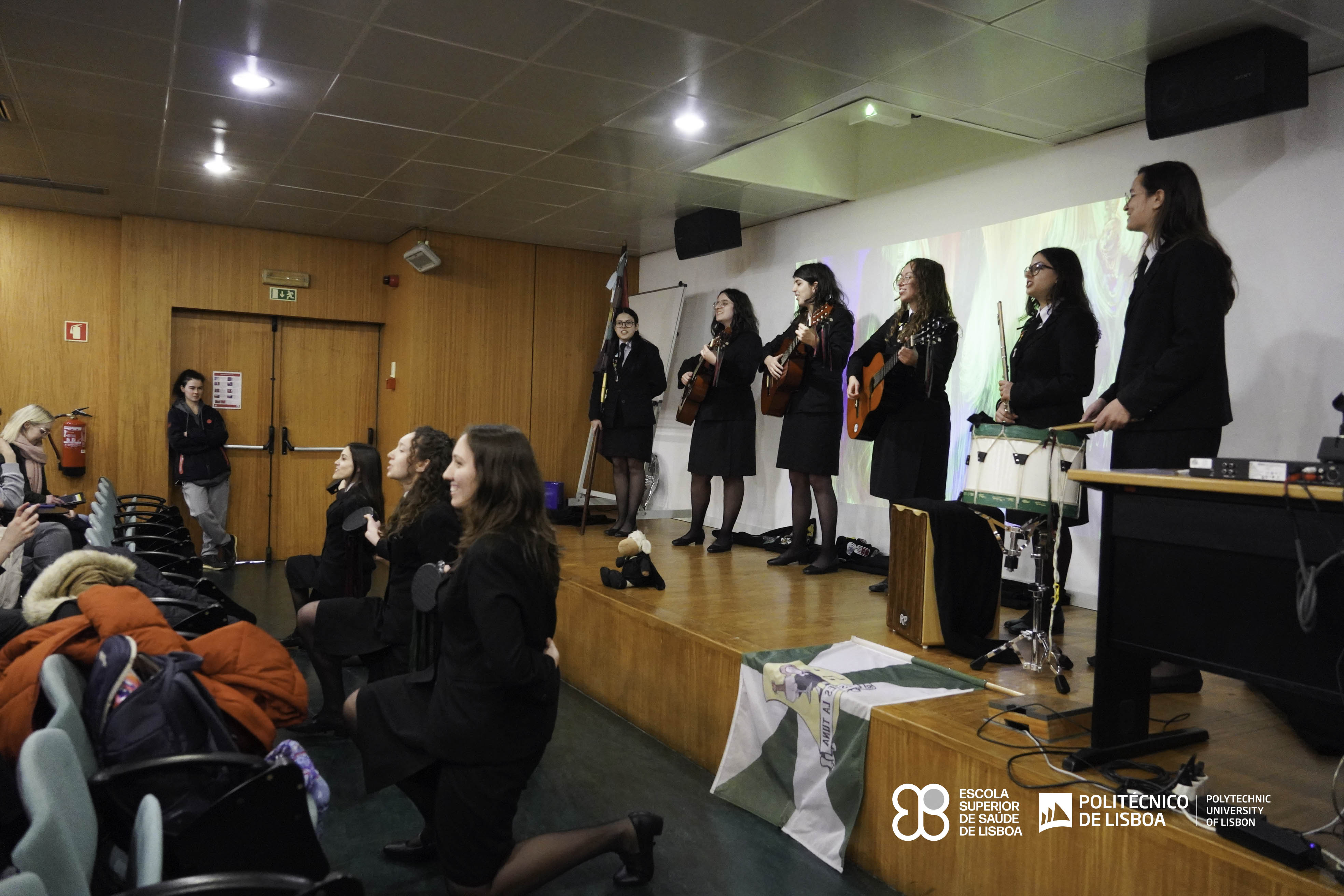
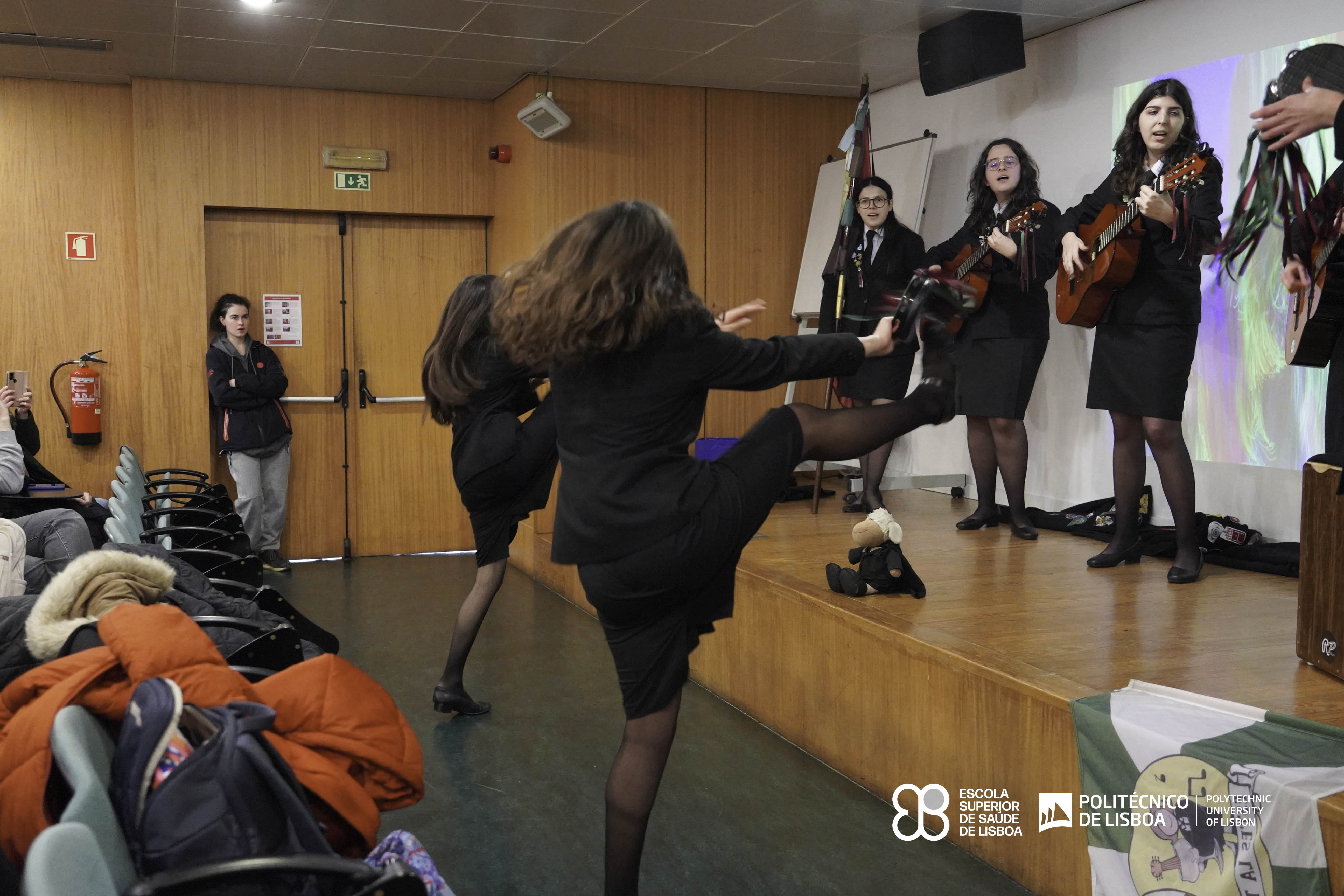
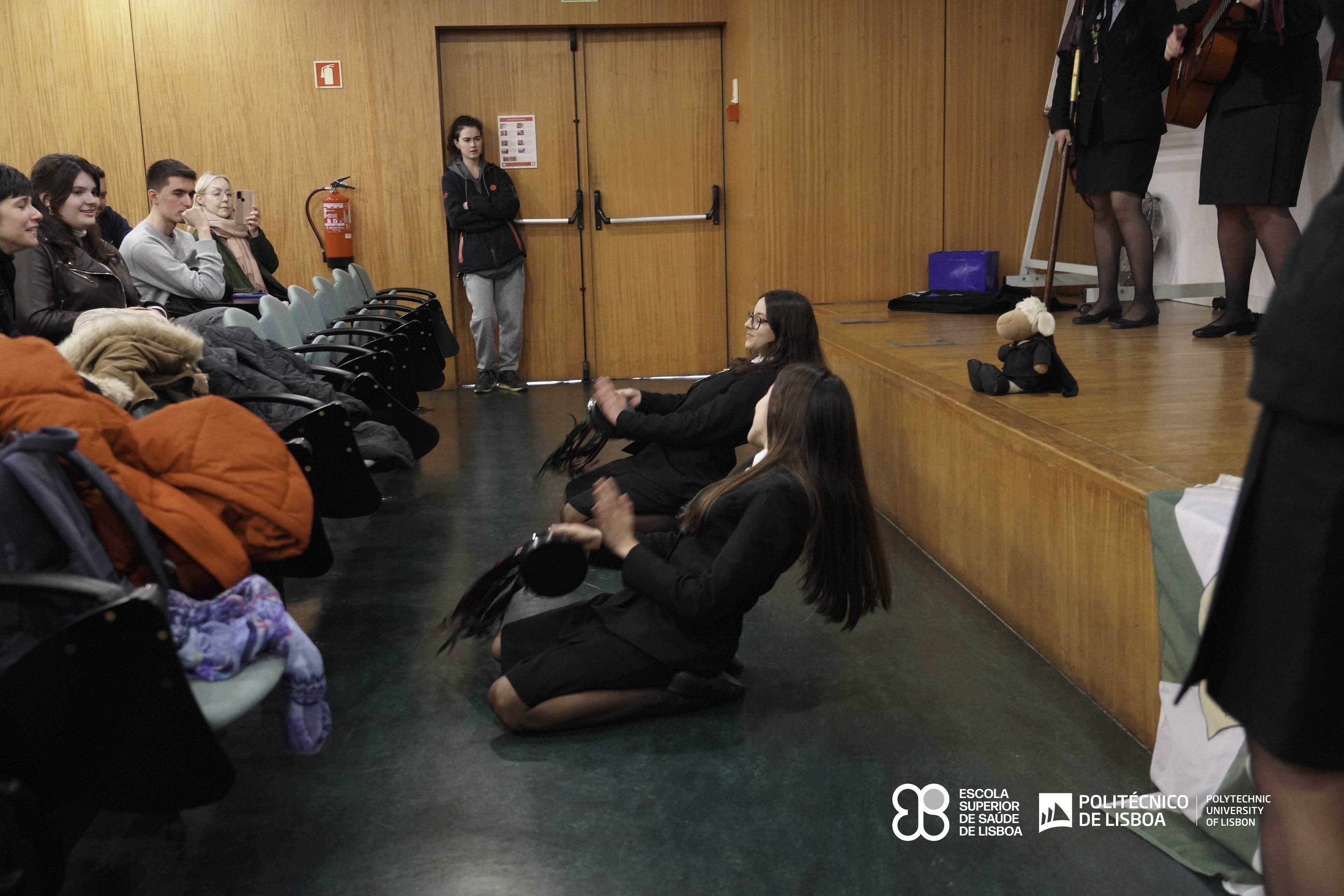
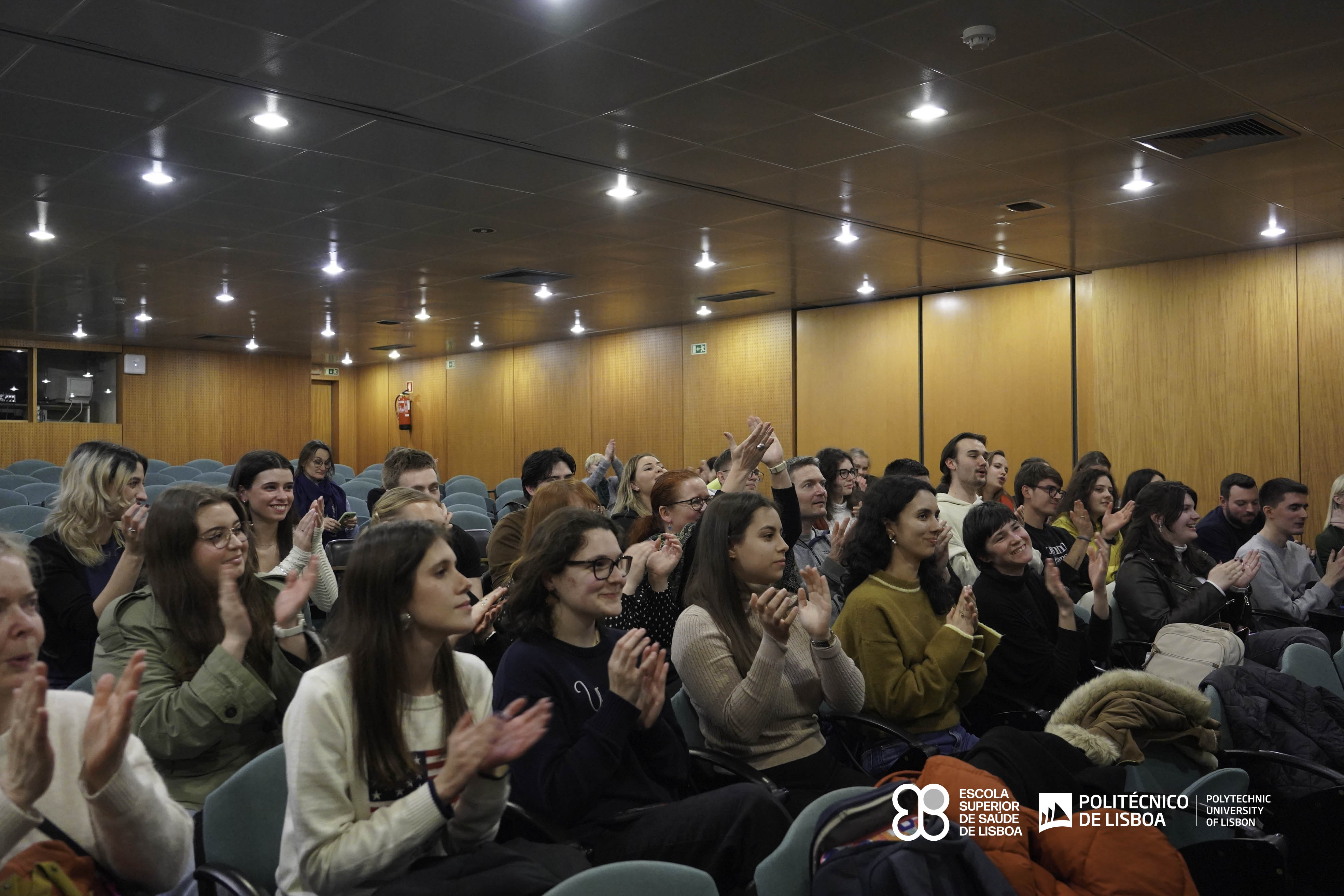
ESSL hosts International Intensive Course (BIP) focusing on strategies for reducing anxiety and claustrophobia associated with medical imaging and radiotherapy.
The Escola Superior de Saúde (ESSL) reaffirms its international focus by hosting the Blended Intensive Programme (BIP) CALM from 5 to 14 February. This initiative, organised by the programme of Medical Imaging and Radiotherapy, focuses on a crucial topic for clinical practice: managing anxiety and claustrophobia in a clinical environment.
The programme takes place in a hybrid format and brings together 28 international students from prestigious European institutions:
- Romania: Iuliu Hațieganu University of Medicine and Pharmacy (Cluj-Napoca);
- Italy: Università di Firenze (Florence);
- Finland: Metropolia University of Applied Sciences (Helsinki);
- Moldova: State University of Medicine and Pharmacy Nicolae Testemițanu (Chisinau).
Developed entirely by ESSL-IPL, the programme is coordinated by Prof. Maria Margarida Ribeiro and actively supported by the teaching staff of the programme of Medical Imaging and Radiotherapy Course Council, as well as benefiting from strategic partnerships and support.
Anxiety and Claustrophobia are significant obstacles in Medical Imaging and Radiotherapy. Magnetic Resonance Imaging, Computed Tomography (CT) or PET/CT procedures require the patient to remain still in confined and noisy spaces, which can cause fear and discomfort.
In Radiotherapy, the challenge is ongoing, as treatments are repeated over several weeks. The use of immobilisation masks and body moulds, which are essential for treatment accuracy, can induce feelings of suffocation and helplessness. These reactions not only impair the patient's experience, but can also compromise the quality of diagnosis and the effectiveness of therapy. BIP CALM focuses on training future professionals to help patients overcome these difficulties. The programme is based on the most common and accessible strategies, emphasising the fundamental role of the relational and technical skills of Radiology, Nuclear Medicine or Radiotherapy Technicians in humanising care and mitigating patient stress.
With this initiative, ESSL reinforces its role at the forefront of health education, promoting the exchange of knowledge and the continuous improvement of patient care.